PHAR LAUNCHES EDSA NAMING RIGHTS AND STATION PARTNERSHIP PROGRAM

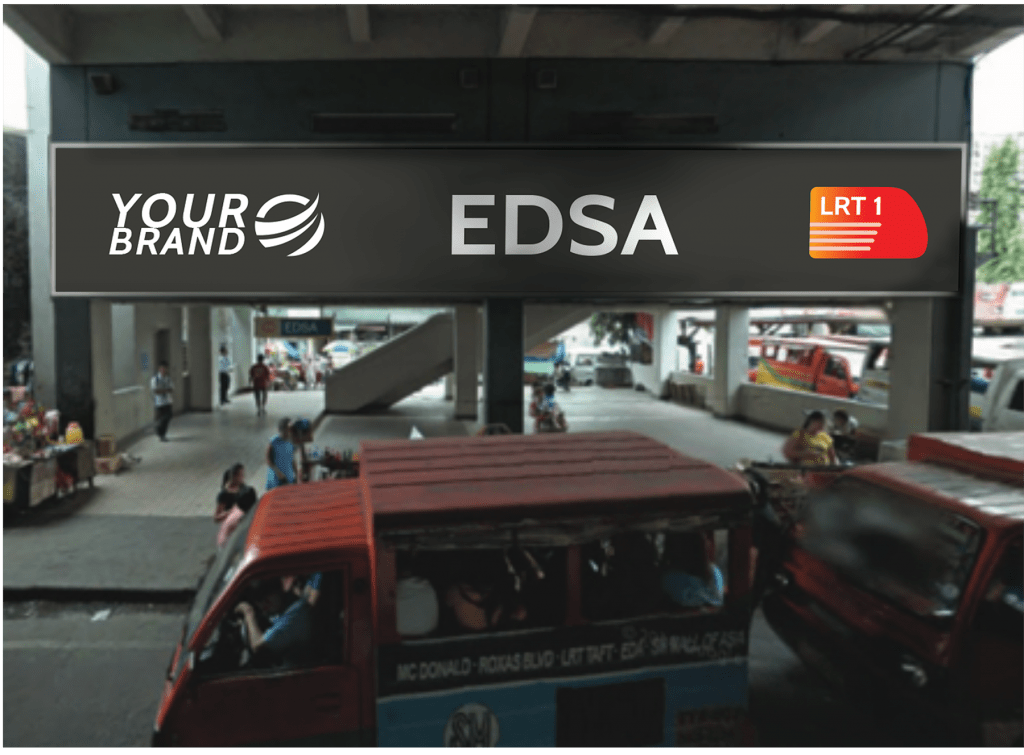
Following our successful launch of a similar program in Kuala Lumpur, PHAR has been appointed to create a naming rights and station partnership program in Manila, Philippines.

We are offering brands the opportunity to sponsor the EDSA LRT-1 station, including the right to integrate their brand identity into the name of the station.

Currently, the LRT-1 line’s monthly ridership is 13.5 million, and EDSA accounts for 1.5 million monthly riders.

The revenue generated from this exercise will be used for the upgrade of the EDSA LRT-1 station. This includes the rehabilitation of the roofing and flooring of the station, complete electrical overhaul, additional security measures and passenger conveniences, and introduction of a retail environment.

Commenting on the program, PHAR Managing Director Prem Bhatia said, “Urban transport is a critical component of any metropolis and programs like this are the most exclusive type of initiatives available to marketers. It helps companies and brands demonstrate their willingness to invest in their cities’ development, while engaging with thousands of daily commuters, over several years. It has been successfully implemented in cities like Kuala Lumpur, New York, Madrid, Philadelphia and New Delhi and we look forward to making it a reality in Manila.”

The criteria under which companies can apply for the program include that it is a multi-year agreement, and restricted to businesses established in the Philippines, for at least two years. The RFP can be downloaded from http://www.lrmc.ph. Queries may be sent to LRMC@pharpartnerships.com


Normal
0

false
false
false

EN-GB
X-NONE
X-NONE

/* Style Definitions */
table.MsoNormalTable
{mso-style-name:”Table Normal”;
mso-tstyle-rowband-size:0;
mso-tstyle-colband-size:0;
mso-style-noshow:yes;
mso-style-priority:99;
mso-style-parent:””;
mso-padding-alt:0cm 5.4pt 0cm 5.4pt;
mso-para-margin-top:0cm;
mso-para-margin-right:0cm;
mso-para-margin-bottom:10.0pt;
mso-para-margin-left:0cm;
line-height:115%;
mso-pagination:widow-orphan;
font-size:11.0pt;
font-family:”Calibri”,”sans-serif”;
mso-ascii-font-family:Calibri;
mso-ascii-theme-font:minor-latin;
mso-hansi-font-family:Calibri;
mso-hansi-theme-font:minor-latin;
mso-fareast-language:EN-US;}



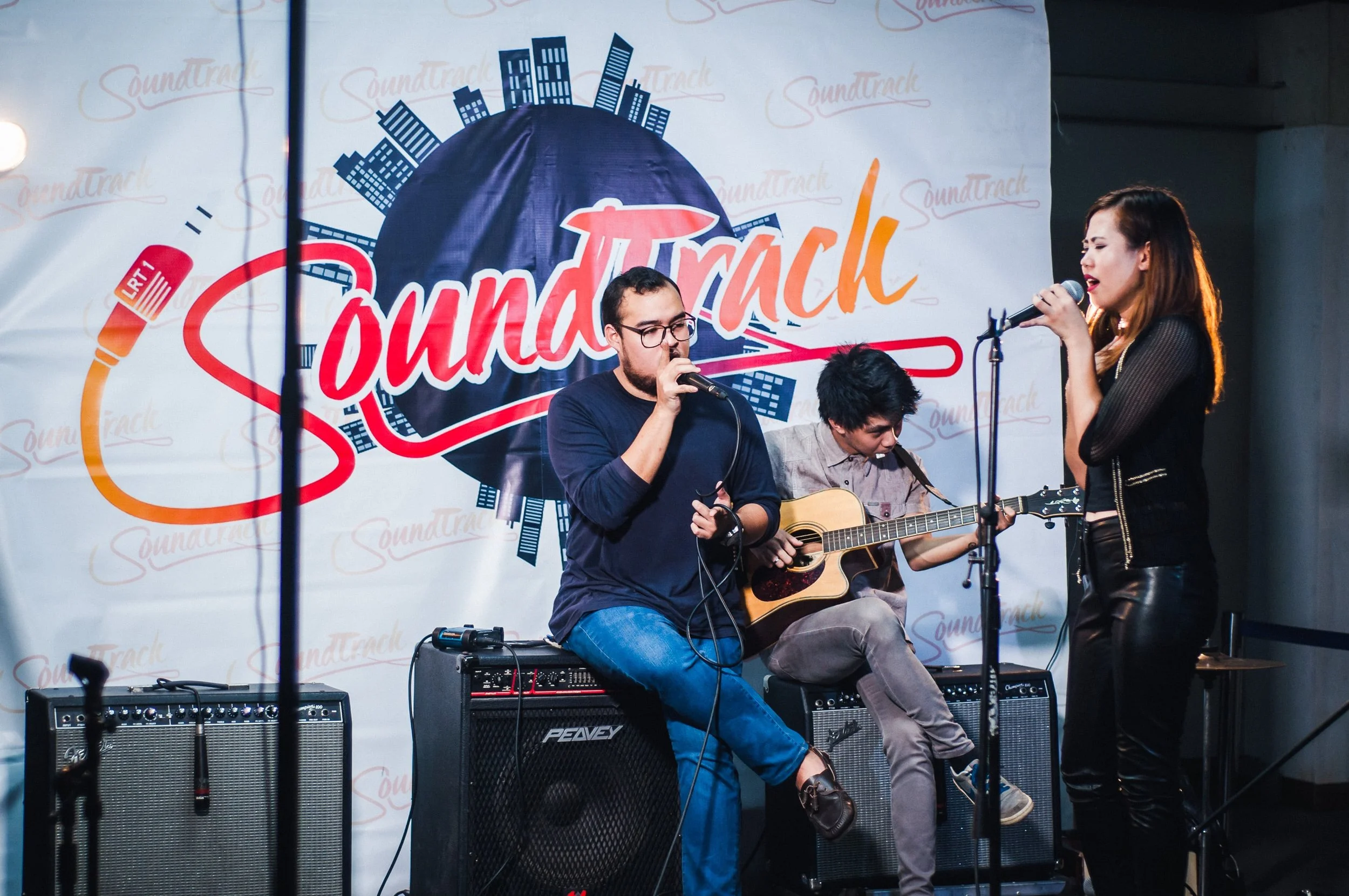
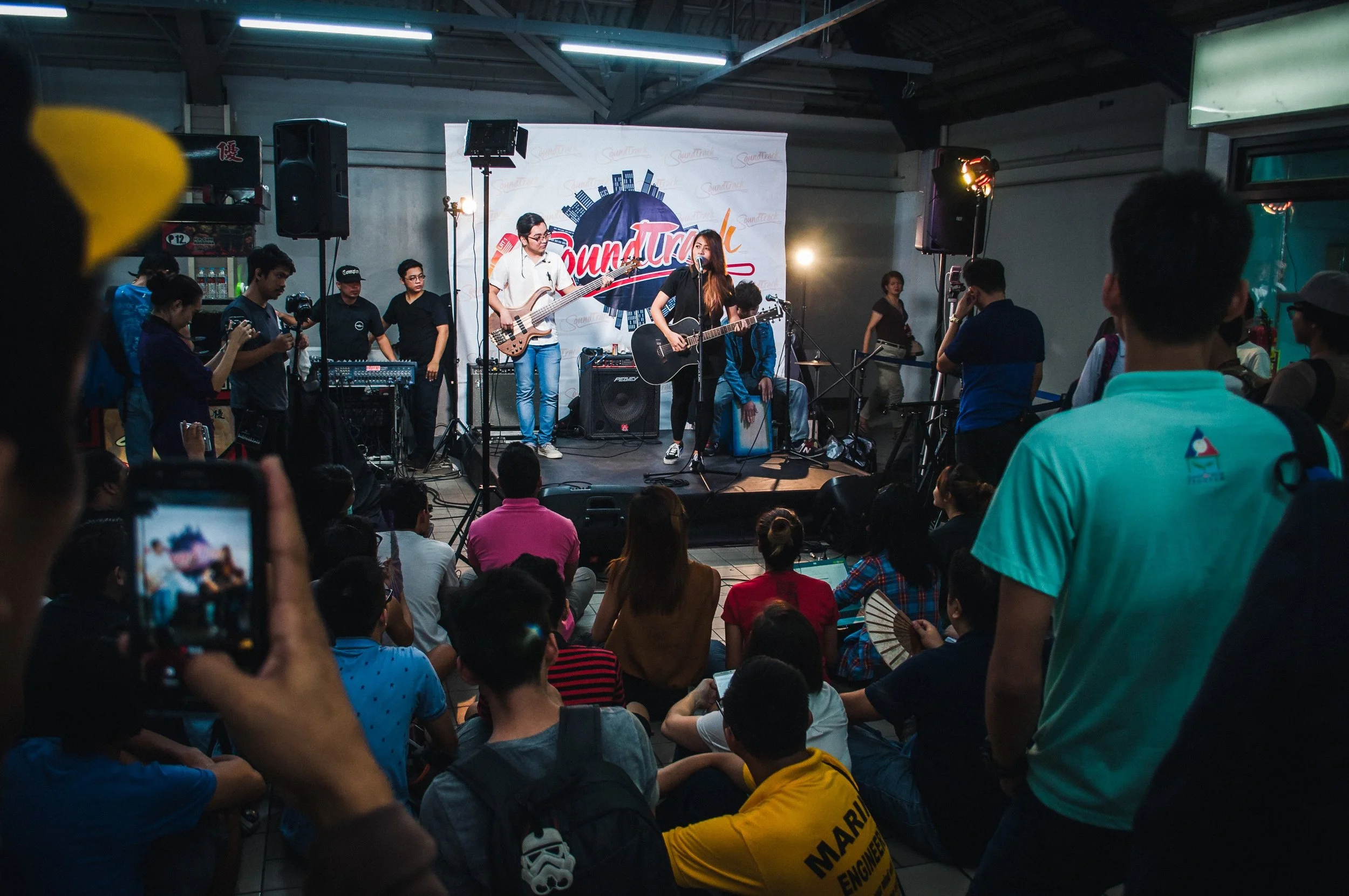
SoundTrack – Pinoy talents take on the LRT-1 station stage

To exhibit Filipinos’ talent and inject new life to one of the metro’s major transport lines, international media and marketing agency PHAR Partnerships, in partnership with the Light Rail Manila Corporation (LRMC), introduces SoundTrack—a new, exciting experience featuring up and coming artists to entertain the riding public in LRT-1. This busking program launched just in time for the season of merriment. It features performances that promise to give commuters a reason to have fun and relax as they go through their daily commutes – reinventing the public space of the of the city’s major transport.

Noting the breadth of Filipino talent, PHAR handpicked homegrown performers with the help of indie-music and creative partners to enthrall Metro Manila’s entertainment-loving commuters.

“Metro Manila’s commuters spend a lot of time on the road, and they deserve great experience while on their journey. With so much talent in the Philippines, we decided to do a search – a fun and engaging way of tapping great potentials out there. We were amazed at the sheer diversity of submissions, and for the launch, we are proud to have chosen those who we think will make the audience stop, relax and smile,” said PHAR Managing Director for Asia, Prem Bhatia.

Six buskers have been selected to perform at the Doroteo Jose station, one of the busiest stations in the heart of Manila. Performance started last November 25, and will continue in the next two Fridays of December – 2 and 9.

Chosen after a rigorous talent search, the winning street performers now get to show off their talents and engage the commuting crowd. Selected talents will belt out pop favorites, Christmas tunes and some original compositions. Together, their talent and energy are expected to cheer up the stage and riders amidst the hustle and the bustle of the station.

“Filipinos love Christmas and they love to have fun, and this is exactly the mix we want to offer them, perhaps to relieve them of the stresses of traffic and provide them the kind of entertainment they would appreciate. SoundTrack will completely redefine commuters’ experience on the road. We are sure peoplewill enjoy our treat,” Bhatia concluded. 

PHAR and the Manila Metro System in the press

An entire “marketing system,” not just advertising platforms, awaits brands willing to invest on sales pitches within the premises of Metro Manila’s oldest elevated train, the Light Rail Transit-1 (LRT-1).

A study by Kantar TNS commissioned by Phar Partnerships, the Light Rail Manila Corp.’s (LRMC) exclusive ancillary revenue partner, revealed that across 50 categories, many local brands were top of mind for LRT-1 riders—a situation unique to the Philippine market, says Prem Bhatia, Phar’s managing director for Asia.

“In most Southeast Asian countries, you have a few big companies dominating the market. Here, you have all these local brands,” Bhatia says. “So this is an amazing testimony to local brands, that these guys have built a market share with consumers, especially those under the FMCG (fast-moving consumer goods) category.”

The study, conducted from the last quarter of 2015 until the first quarter of 2016, surveyed almost 3,000 LRT-1 riders. Random interviews were done for the study’s first phase inside the different stations, covering topics such as demographics, psychographics, travel patterns, media consumption, device ownership, product usage, service patronage and Wi-Fi access. About 900 riders who were interviewed in the first phase participated in the second one, during which field interviewers contacted them over the phone to ask them more information on ad awareness.

“Whenever we enter a new market, our first job is to size the opportunity. We want to know how many people, who they are, how long they spend [traveling in the LRT-1], what they consume,” says Bhatia.

What Phar discovered, aside from the strong penetration of local brands, says Bhatia, is that LRT-1 riders can be classified into four groups: “Juan and Juana,” or the working group, which comprise 62 percent of riders; “Pedro and Petra,” the students, who make up 16 percent; “Peter and Pam,” those who are not working nor studying (i.e., stay-at-home parents who use the LRT-1 to transport their children to and from school), who comprise 20 percent; and the remaining 2 percent, “John and Jane,” composed of working students.

“The LRT-1 itself is 10 percent of the workforce [in the National Capital Region],” Bhatia says.

The study finds that most of these people come from classes C and D, or the middle and lower classes, and spend an average 90 minutes a day inside the LRT-1. Slightly more men, at 51 percent, use the train.

With regard to age, it is the younger crowd that patronizes the LRT-1 the most.

“The LRT-1 is so heavily skewed toward 18 to 29-year-olds, it has double the NCR average (which is only at 30 percent),” says Bhatia.

This means brands have the chance to build a relationship with these young people, who are mostly college students and new to the job market, he says.

“I was presenting to the bosses of one of the big banks, who said, ‘Tell me where the opportunity is.’ I told them, 10 percent have credit cards. That’s the room to grow, the 90 percent who are starting out in life, who are making brand choices for the first time ever,” says Bhatia. “If you already have a bank, it’s tough to switch you to another. So the right time to catch you is when you’re making your first decision.”

Given that most riders come from the young working class, it comes as no surprise that internet and mobile connectivity of LRT-1 users is also quite high. According to the study, 97 percent of the sample have access to a mobile device, while 84 percent have access to the internet. When it comes to traditional media, TV still rules among LRT-1 commuters.

“Before we did the research, WiFi was not on our list of priorities [for LRT-1]. But when we saw the consumption on mobile, we talked to Smart, Globe, and said, these are the stats, let’s just build it out. And they both said, ‘Let’s go,’” he says.

It is with these data, which Phar plans to update on an annual basis, that the media and marketing firm hopes to “formulate more targeted sales strategies to optimize the advertising real estate within the premises of LRT1’s cars and station—from Balintawak to Baclaran.”

“We’ve talked to around 25 top advertising companies, and they all say the same thing: that up until now, they’ve had no access to this kind of information on LRT-1 riders. So, for me, if I know that the average person is spending 90 minutes a day on the LRT, then we’re not just talking about an advertising medium.

We’re talking about an ecosystem, [with] digital screens, Wi-Fi, retail,” Bhatia says.

Understanding the LRT–1 Commuter

MANILA, Philippines — In the largest transit research on LRT riders done in recent times, marketing agencies PHAR and TNS (part of Kantar Media), interviewed 3,500 LRT commuters in considerable depth.

Results of the survey shed some interesting insights:

  • Out of a total of 4.99 million people that comprise the Manila NCR workforce, approximately 500,000 people (10%) ride the LRT1 on a daily basis.

  • The gender split is equal with 49% of commuters being female.

  • The average journey time is approximately 42 minutes each way (from arriving at the station,

    queueing for tickets, riding the train and exiting at destination).

  • LRT 1 commuter demographics skew heavily towards 18-29 year olds (59% of commuters). Very significant in comparison to the overall Manila NCR workforce has 30% in the 18-29 year old bracket.

  • 88% of commuters are either working professionals or students. Within the working professionals, the average monthly income is 15,000 pesos, and whereas for students the disposable income is 212 pesos per day.

  • In terms of device ownership, 97% own a mobile phone, whereas 44% own laptops.

Interestingly, the study also measured high and medium usage categories for these commuters and the brand preferences within the categories shed interesting insights into purchasing behavior and market share of the top brands in the Philippines. For instance:

Certain categories had clear market leaders like toothpaste (Colgate), bath soap (Safeguard) and softdrinks (Coca Cola). But on the whole, most categories saw close competition between a number of brands fighting for market share and share of voice. These categories include shampoo, canned meat, branded clothing, laundry bars, laundry powder, snacks, chocolate and candies, fruit juices/beverages and cosmetics, amongst others.

Within the services categories, there were clear leaders in certain segments like domestic travel (Cebu Pacific) and cable television (Sky Cable), but in most categories, there was a hard fought contest. These categories include insurance, banking, loan services and credit cards.

Prem Bhatia, Managing Director of PHAR said “Transport forms an integral part of the urban landscape and opportunities for brands, basis dwell time and engagement, are immense. The LRT1 commuters are early jobbers and therefore a perfect audience to develop a brand relationship with. Take financial services for instance – two thirds do not have bank accounts, and 10% have credit cards. The headroom for growth is tremendous.”

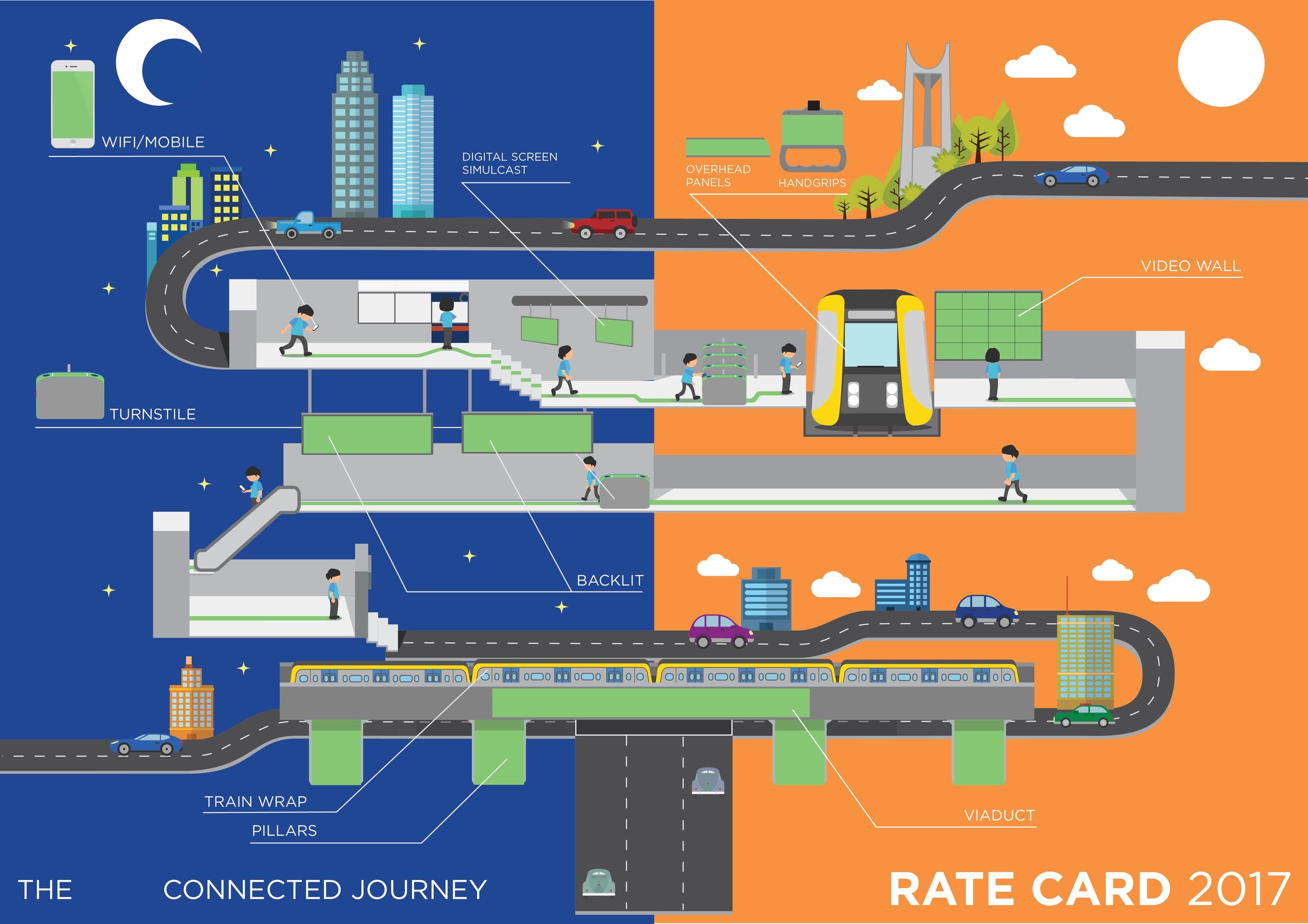
LRT-1 The Connected Journey

Making Metro Manila’s largest train system LRT-1, a whole new improved advertising ecosystem are the PHAR-upgraded media assets:

•    Turnstiles
•    Backlits
•    Viaducts
•    Pillars
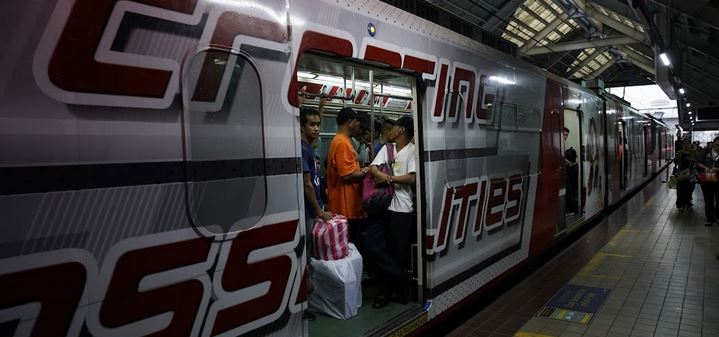
•    Trainwrap
•    Overhead Panel
•    Handgrips
•    Digital Screen Simulcast
•    LED Video Wall
•    Beep Card
•    Activations Area
•    WiFi / Mobile

These multiple touchpoint enable brands to effectively engage with the large market, LRT-1 has to offer.

PHAR launches Ricoh Rugby Change Series

We’re proud to launch Ricoh’s 2016-17 campaign ‘Ricoh Rugby Change Series’ for their Premiership Rugby sponsorship today.

The Ricoh Rugby Change Series, linking in to Ricoh’s strapline ‘Imagine. Change’, will identify and analyse the major changes and trends that have occurred in rugby since the onset of professionalism. An upcoming study, will highlight what these major trends affecting the game are, and analyse each key area of change in more detail in a series of six exclusive insights across the rest of the Aviva Premiership Rugby season.

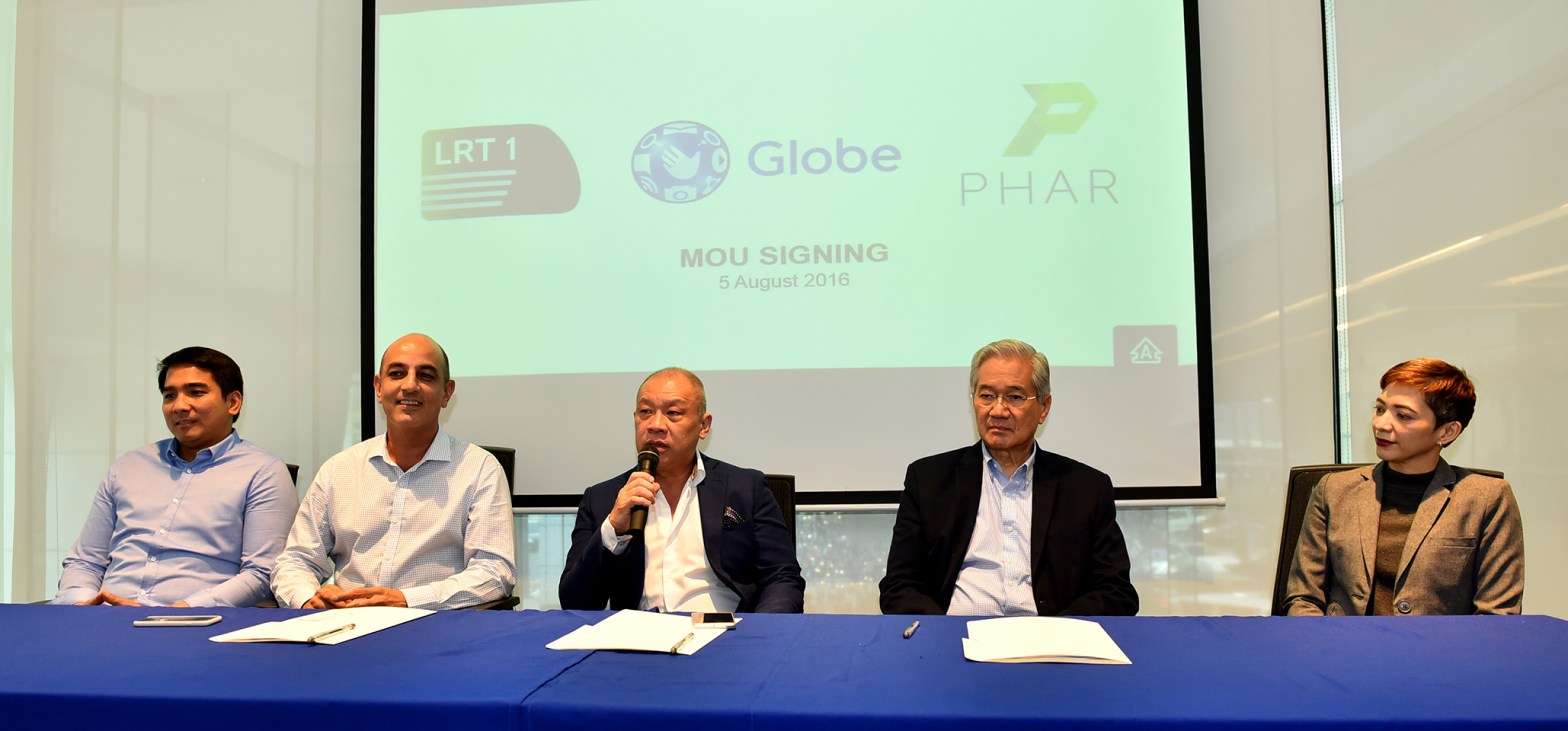
PHAR creates Wi-Fi partnership between LRMC and Globe Telecom

PHAR has created a partnership with LRMC for Globe Telecom to provide free Wi-Fi throughout all 20 LRT1 stations in Manila. The service will address the need of its more than 400,000 everyday commuters to stay online even as they journey around the metro.

In the photo during the partnership signing at the Globe Towers in Taguig City are (L-R): Globe Telecom Senior Vice President for Program Governance Network Technical Group Joel Agustin; PHAR Managing Director for Asia Prem Bhatia; Globe Telecom President and CEO Ernest Cu; LRMC President and CEO Jesus Francisco; and LRMC Business Development Head Janet Bautista.

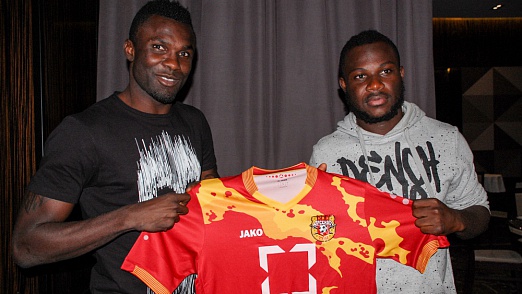
PHAR brokers deals for Frimpong & Awal to join Arsenal Tula

PHAR’s Football Talent team have successfully negotiated deals for Ghana internationals Emmanuel Frimpong and Mohammed Awal to sign for Russian Premier League returnees Arsenal Tula as free agents in a two-year deal each, ahead of the upcoming season.

Frimpong, 24, makes a return to Russia following the termination of his contract with FK Ufa a few months ago.

He was delighted to return to Russia and promised to repay the club’s trust in his quality after his official revealing. “[I’m] back in Russian Premier League again with Arsenal Tula. I hope we can have a fantastic season and I can repay our debt,” Frimpong tweeted.

Defender Awal, also joined the club following his mutual termination of contract with Moroccan side Raja Casablanca in June.

Arsenal Tula gained promotion to the top-flight last season after finishing second in the second-tier league and head coach Sergei Pavlov is of high hopes that his new signings will be instrumental next season.

Design a site like this with WordPress.com
Get started